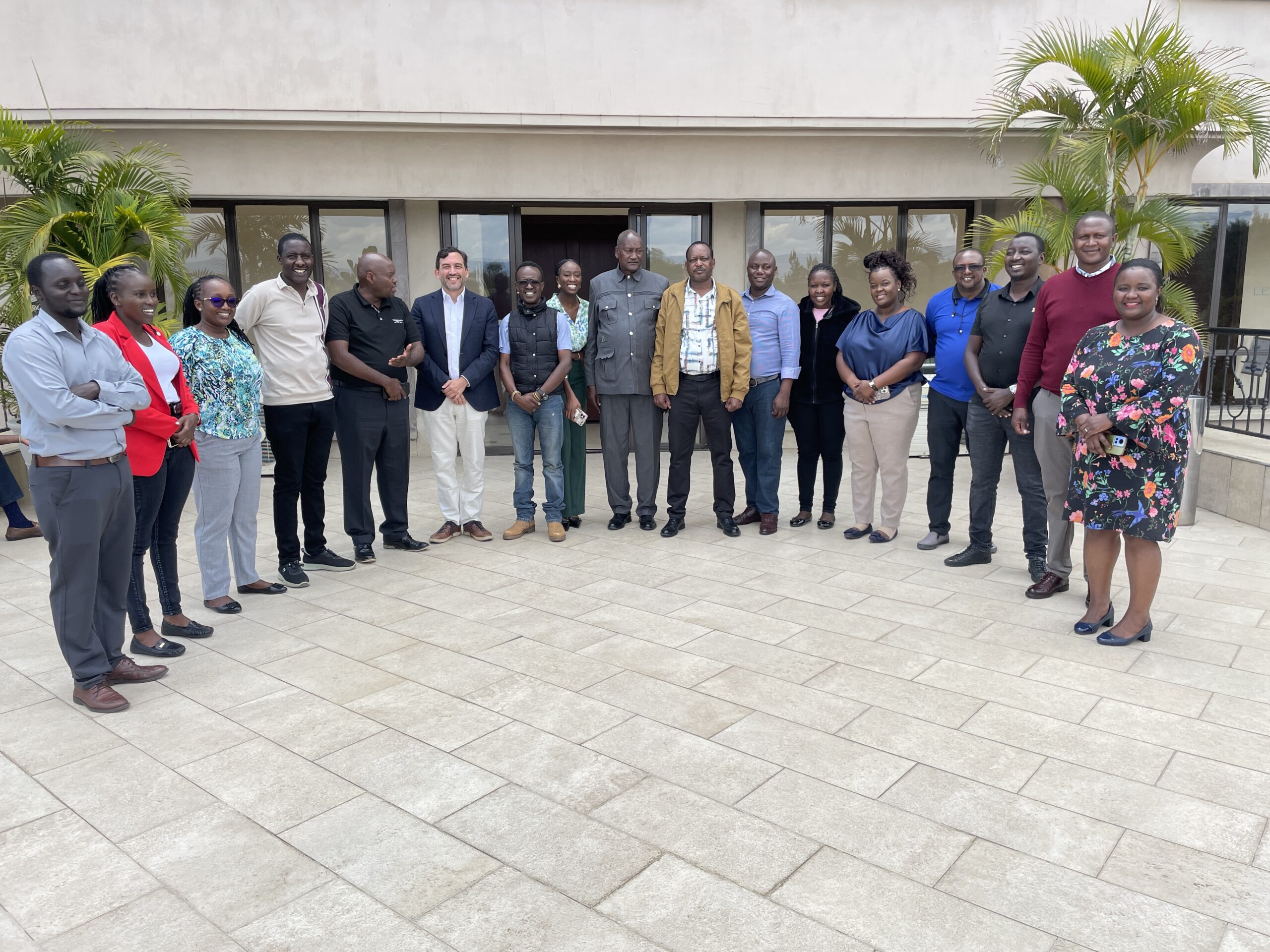
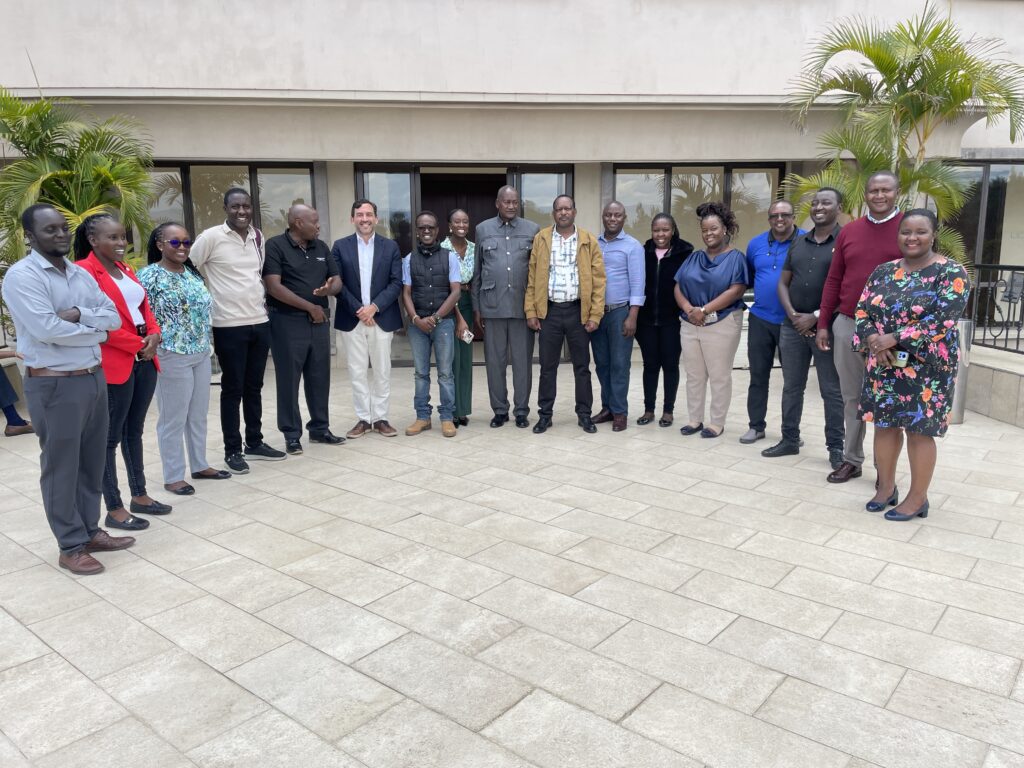
KenGen Foundation, the County Government of Narok, and Iroko Analytics held a strategic meeting to deliberate the way forward on a tripartite agreement for the continued conservation of the Enoosupukia Forest on October 15, at Sarova Woodlands in Nakuru County. The session brought together key stakeholders to align on a collaborative framework that integrates forest restoration, community empowerment, and carbon financing to protect one of Kenya’s most vital water catchment areas.
The Enoosupukia Forest Adoption Project, spearheaded by the KenGen Foundation, is a flagship Corporate Social Investment (CSI) initiative designed to restore forest cover, enhance local livelihoods, and support Kenya’s renewable energy infrastructure. The project reflects KenGen PLC’s broader sustainability mandate, recognizing the ecological and social impact of its power generation footprint. Through afforestation, reforestation, and revegetation (ARR) efforts, the Foundation aims to build resilient ecosystems while fostering long-term community partnerships.
The County Government of Narok delegation included CECM Tourism- JohnStone Sipitiek, Director Environment- Molai Liaram and Marion Mvera – Legal Officer, among others. KenGen Foundation was represented by the Managing Trustee Mr. Anthony Igecha, Principal Fundraiser Ambrose Njagi, Principal programmes officer Elishibah Msengeti, Senior Environment Officer Stanley Kirakou, and Senior Communication Officer Ernest Nyamasyo.
“This initiative is a testament to our commitment to shared value,” said Anthony Igecha, Managing Trustee of the KenGen Foundation. “By working hand-in-hand with local governments, partners, and the local community, we’re not only restoring landscapes but also creating economic opportunities and strengthening governance structures.”
The project’s objectives include scaling up conservation efforts across 11,700 hectares of forest, forming the Enoosupukia Community Forest Association, and developing forest-based enterprises such as beekeeping. It also supports hydropower generation at Olkaria and Sondu plants, which produce a combined 773.13 MW. Additional outcomes include improved microclimate regulation, soil erosion control, and the promotion of eco-tourism to boost local and national economies.
The Enoosupukia Forest, a critical segment of the Mau Forest Complex, is one of Kenya’s largest remaining closed-canopy indigenous forests. Managed by the County Government of Narok, it has suffered extensive degradation due to illegal logging, charcoal burning, agriculture, and irregular land allocations. Forest cover has plummeted from 76% in 1997 to a mere 16% in 2017, threatening biodiversity, water security, and the livelihoods of downstream communities. The tripartite agreement seeks to reverse this trajectory through inclusive governance and science-based restoration.