
Planting Knowledge Before Trees: KenGen Foundation Trains New‘Green Teachers’ to Lead Phase X of Schools Green Initiative
In the dry landscapes of eastern Kenya, where the success of a tree often depends on patience, knowledge, and careful stewardship, a new group of educators is preparing to turn classrooms into nurseries of environmental leadership.
In early March, the KenGen Foundation convened 200 “green teachers,” including school principals, from Kitui and Machakos counties for a two-day capacity-building workshop marking the start of Phase X of the Schools Green Initiative Challenge (GIC)—one of Kenya’s most enduring school-based environmental programmes.
Held from 3rd to 4th March 2026, the training equipped teachers with the technical and practical skills required to guide their schools through the next phase of the afforestation challenge. The initiative brings together schools in semi-arid regions to plant and nurture drought-resistant trees while cultivating environmental stewardship among students.
For many participants, the workshop signaled more than the beginning of another competition cycle. It marked a renewed commitment to protecting fragile ecosystems while empowering young learners to take ownership of their environment.
The sessions were led by a team from the KenGen Foundation, including Elishibah Msengeti, Principal Programmes Officer, Ernest Nyamasyo, Senior Communications Officer, and Mary Kimani, Programmes Officer. They were joined by Eng. David Kahoro from the Sustainability Division of KenGen PLC and Victor Muango from Better Globe Forestry, a long-time technical partner in the programme.
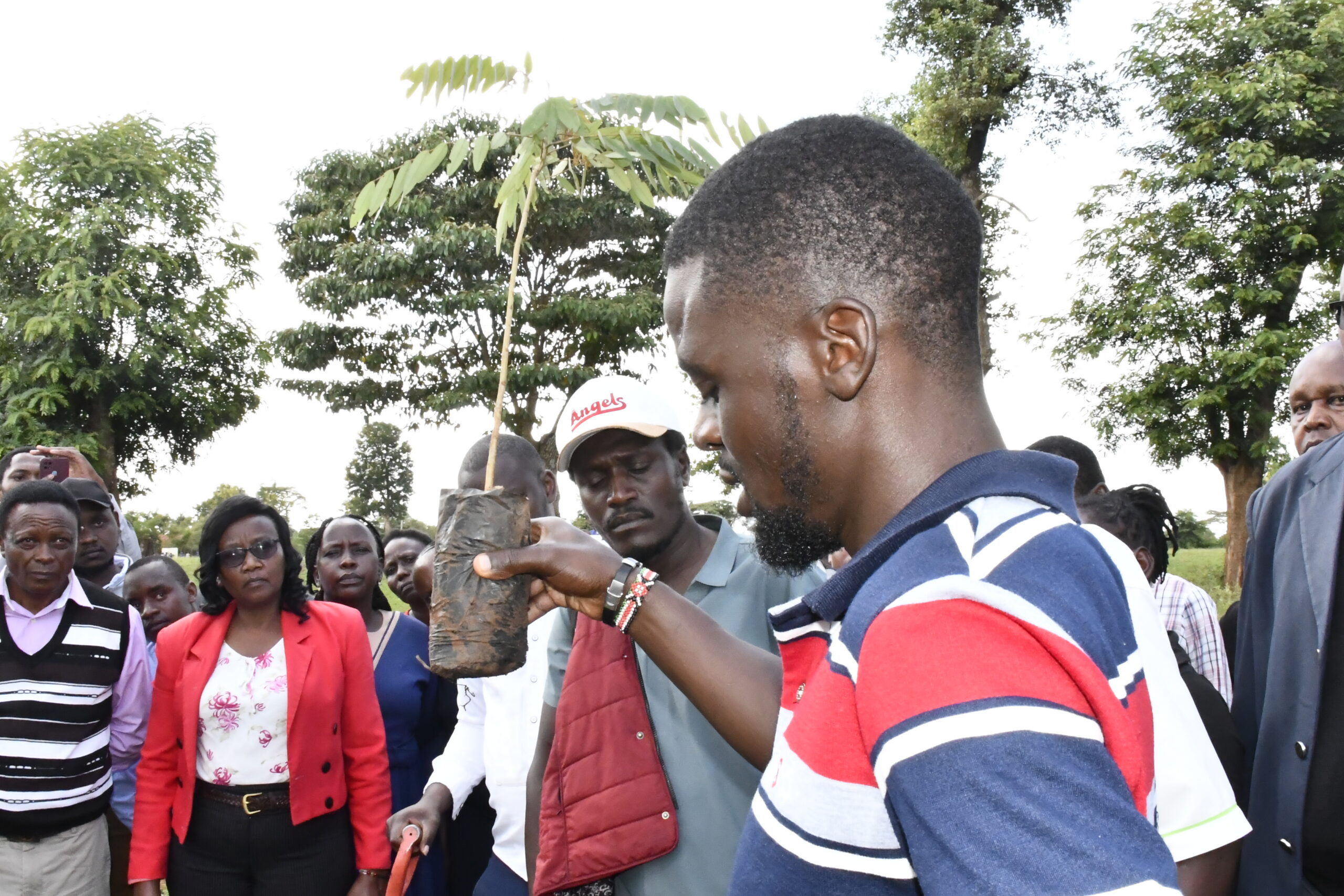
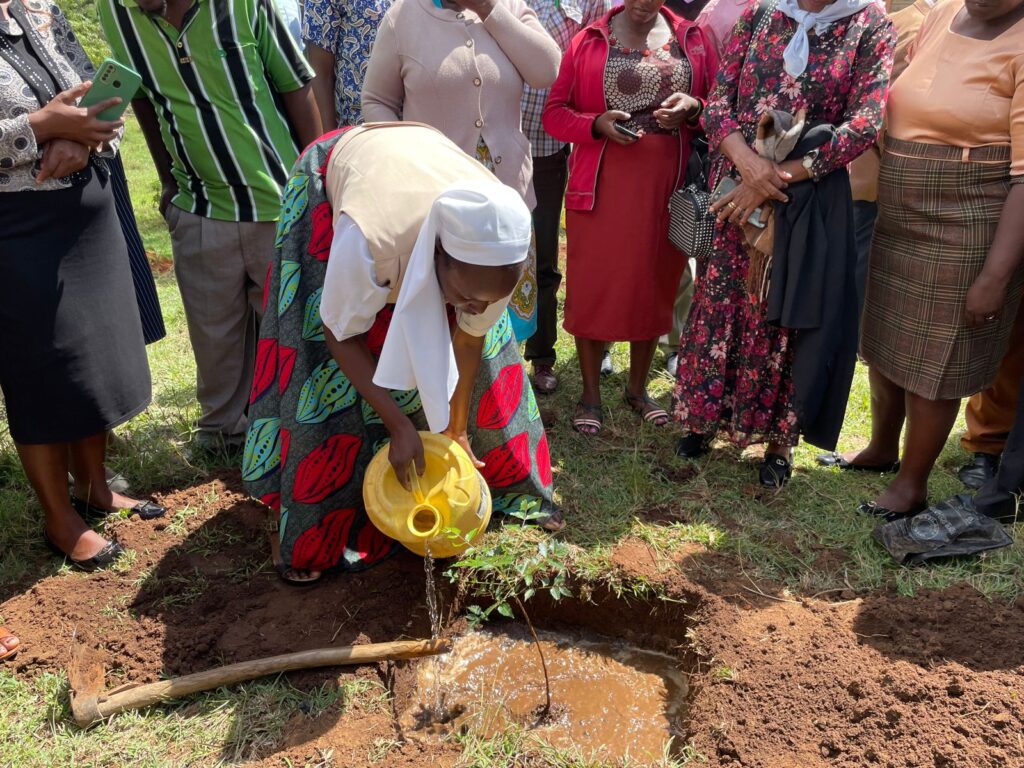
Together, the facilitators walked teachers through the science and strategy behind successful tree establishment in semi-arid conditions—covering topics such as site preparation, seedling management, water conservation techniques, and long-term maintenance of school woodlots. The goal: ensure that participating schools can not only plant trees, but keep them alive.
The Schools Green Initiative Challenge has evolved over the years into a unique blend of environmental education and friendly competition. Schools participating in each phase establish designated tree plots within their compounds and nurture drought-resistant species over a two-year period. Performance is measured by survival rates and growth, with top-performing schools receiving recognition and rewards.
But the programme’s real engine lies with the teachers—environmental patrons who translate training into daily practice with their students.
“The training has given us practical knowledge and renewed confidence to guide our learners in caring for the environment,” said Ms. Janet Kalunda, a green teacher from Kalambani Comprehensive School in Kitui County. “When students plant and nurture trees themselves, they begin to understand that protecting nature is not just a lesson—it is a responsibility.”
That sense of ownership is precisely what the programme’s architects hope to cultivate. By equipping teachers with technical knowledge and leadership tools, the initiative creates a ripple effect that reaches hundreds of students in every participating school.
Over time, those small school woodlots accumulate into something much larger: restored landscapes, improved biodiversity, and a generation of young Kenyans who see environmental stewardship as part of their everyday lives.
For KenGen Foundation and its partners, the training in Kitui and Machakos represents the quiet but essential first step in that process. Before the first seedling touches the soil, the knowledge to sustain it must take root.
And if the energy displayed by the newly trained green teachers is any indication, Phase X of the Schools Green Initiative Challenge may yet grow some of its strongest forests—both in the ground and in the minds of the students who will inherit them.