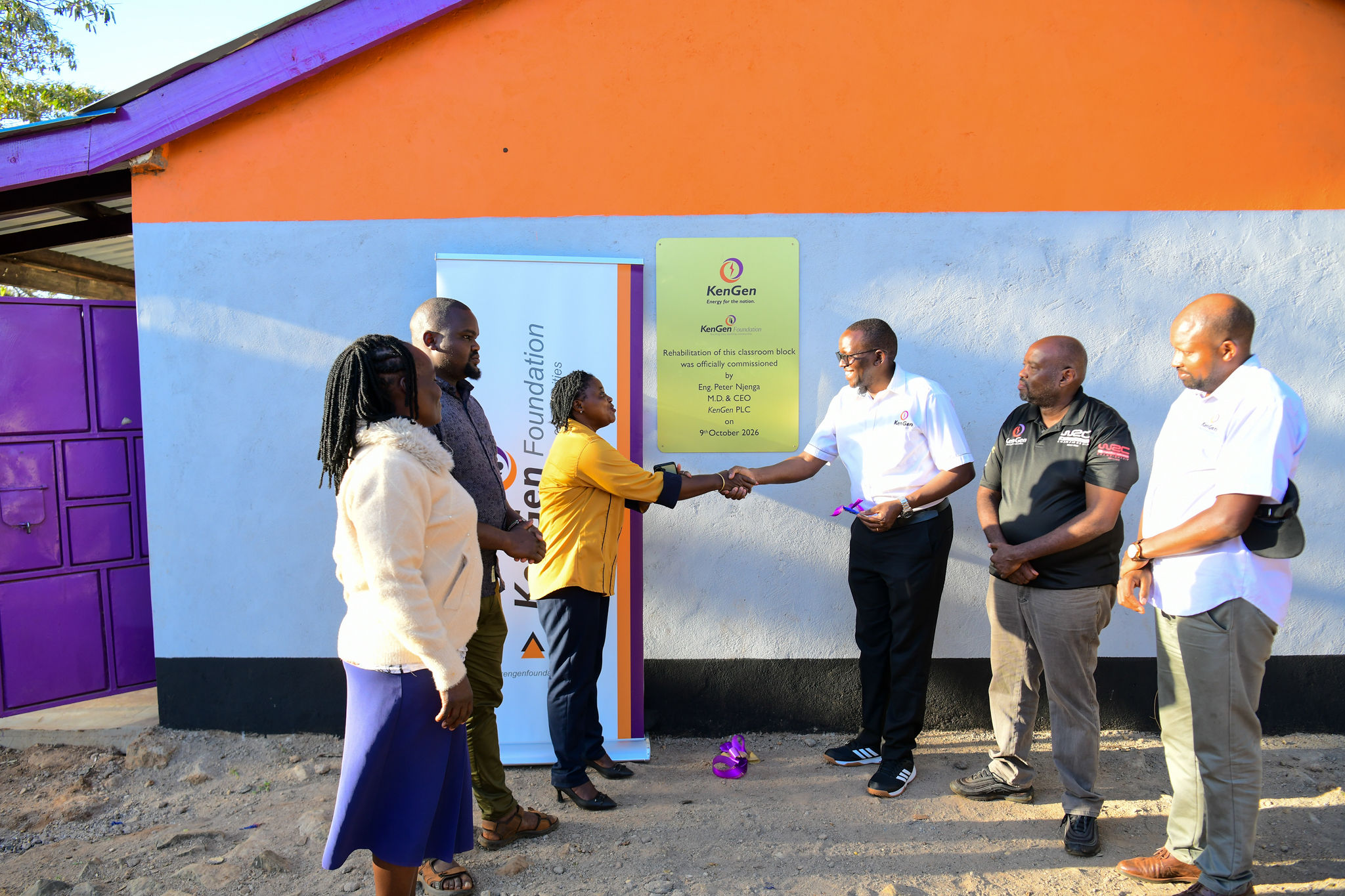
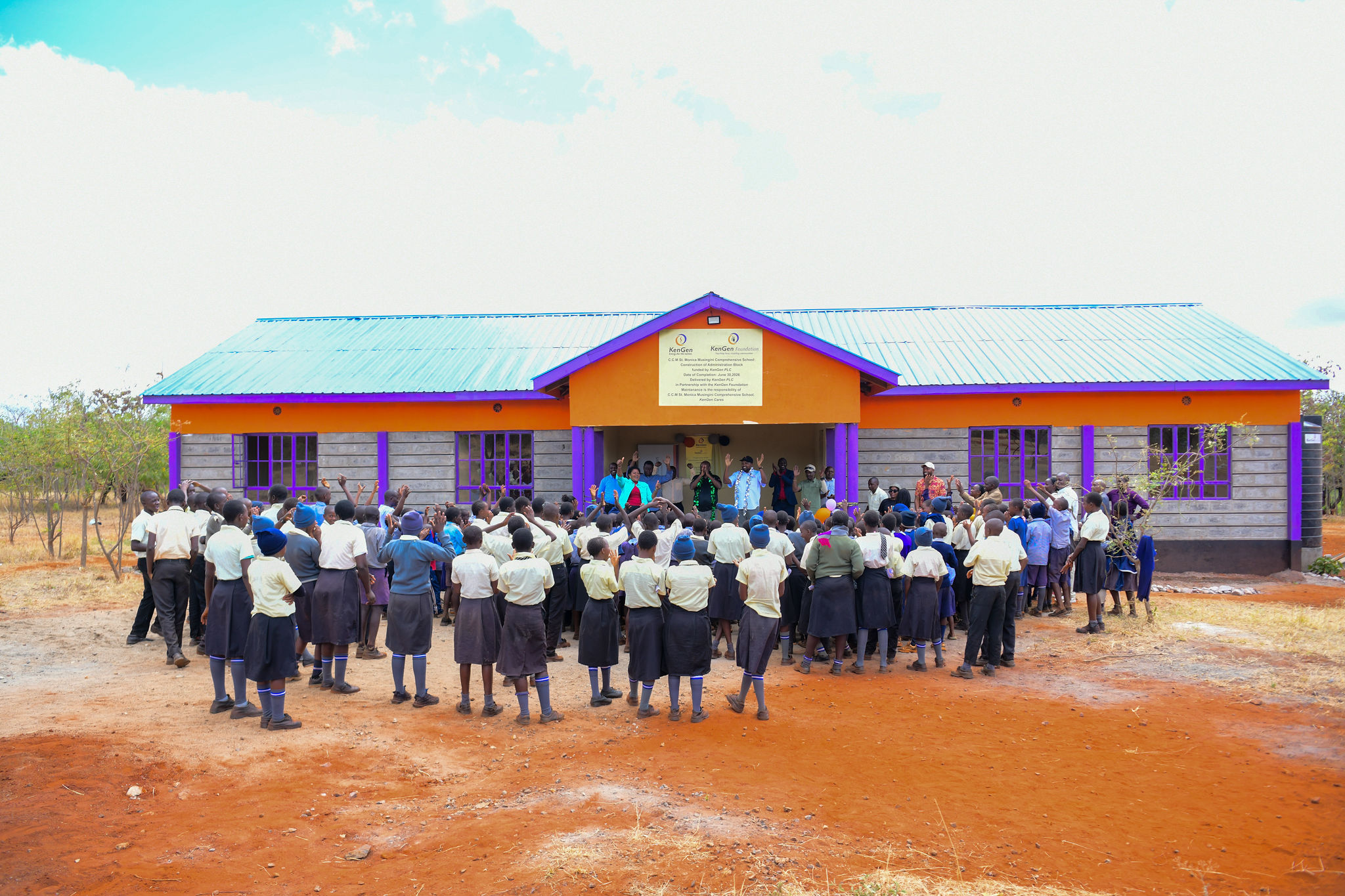
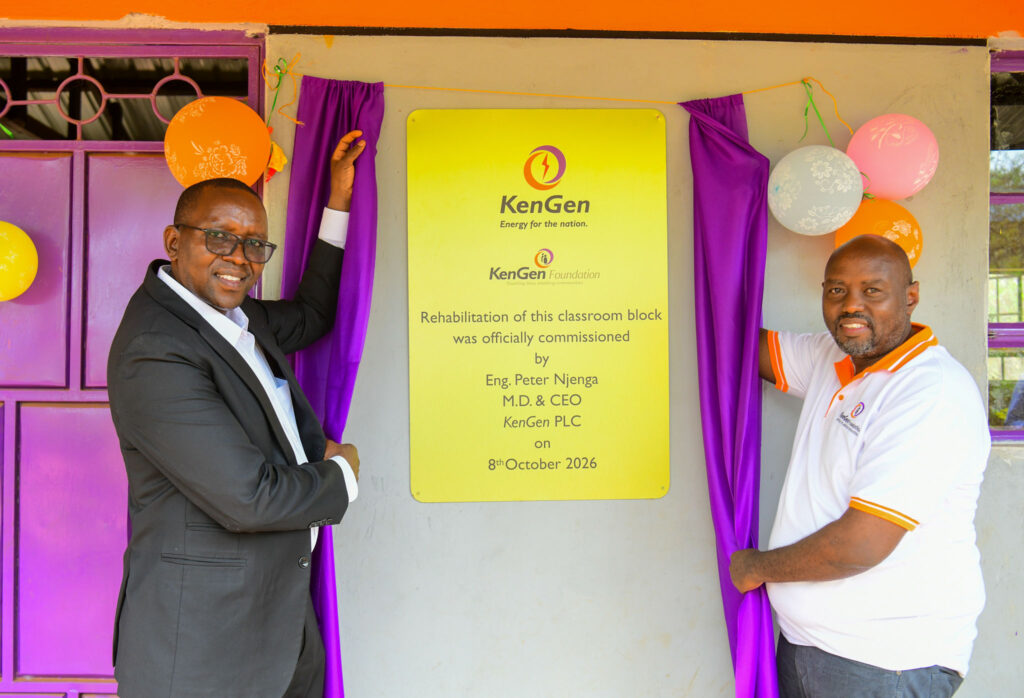
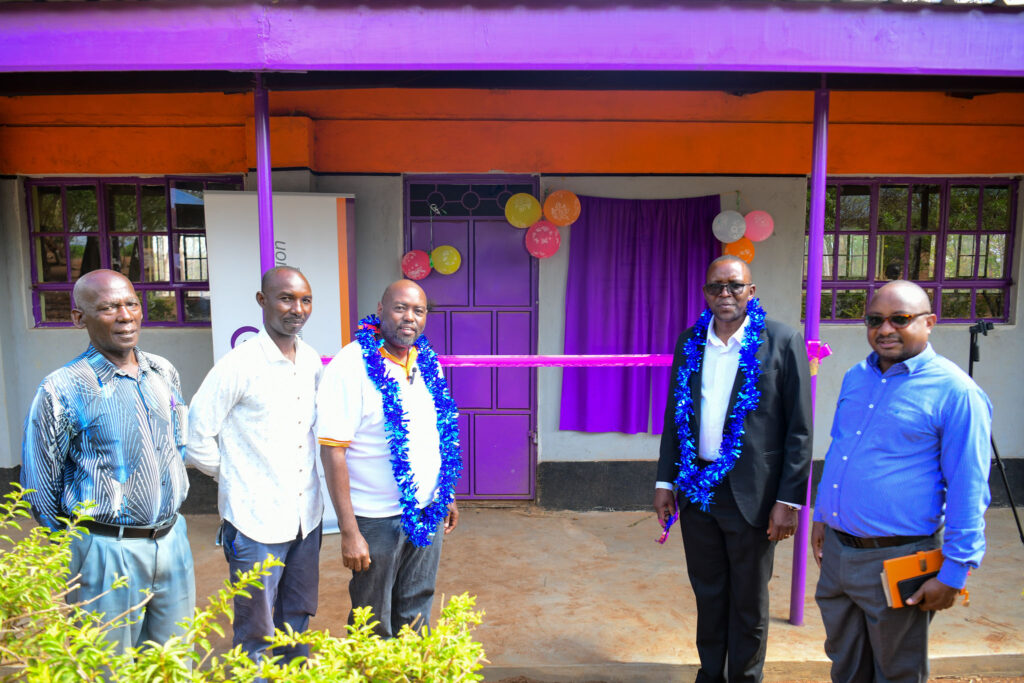
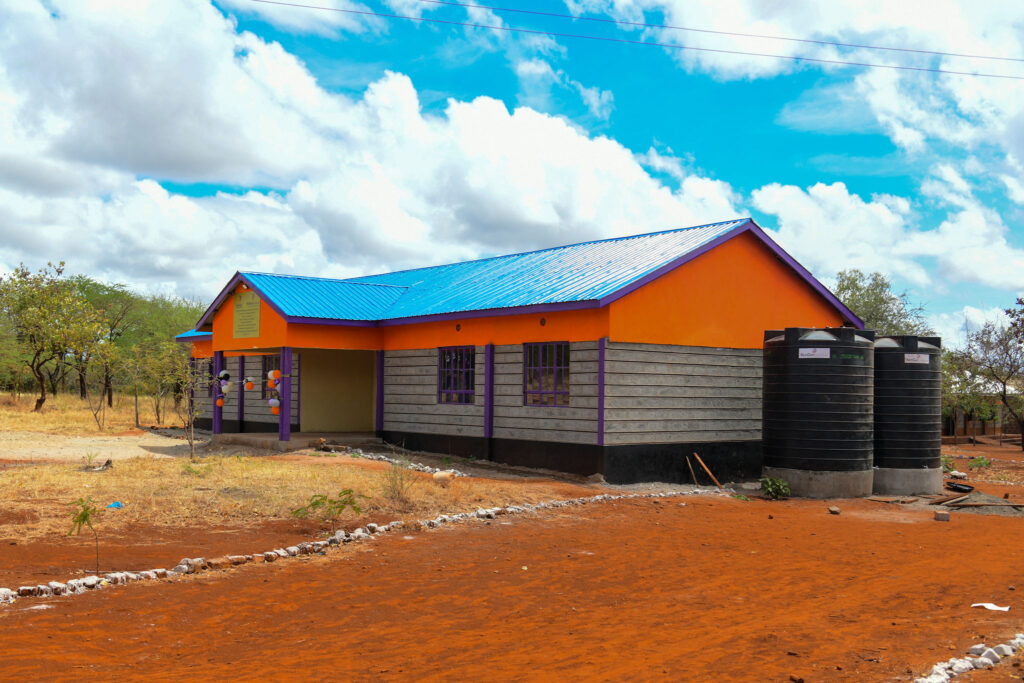
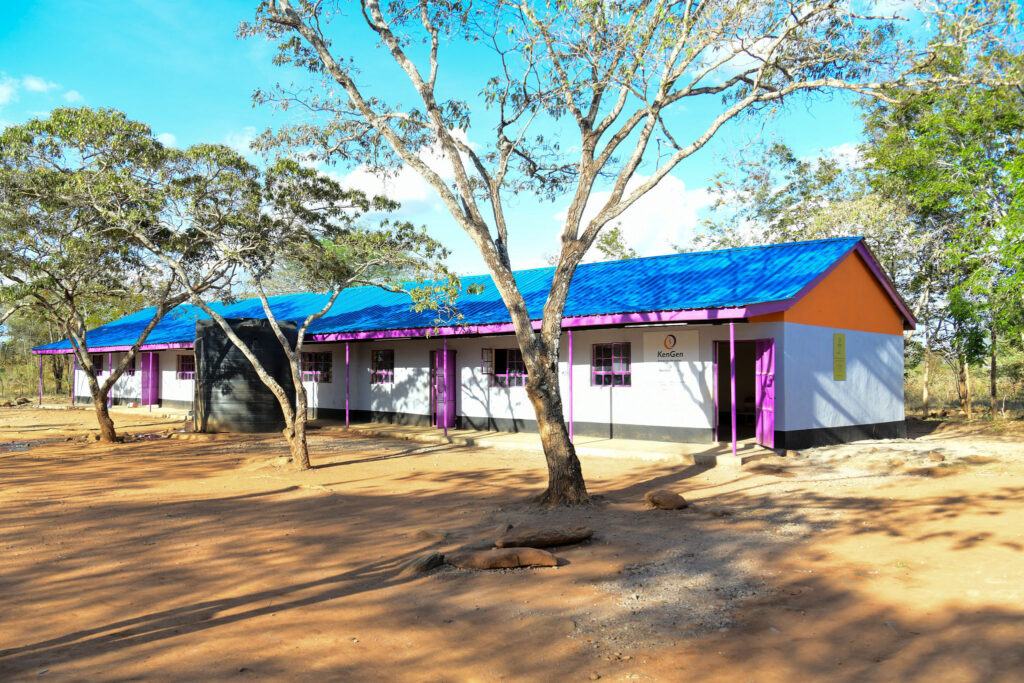
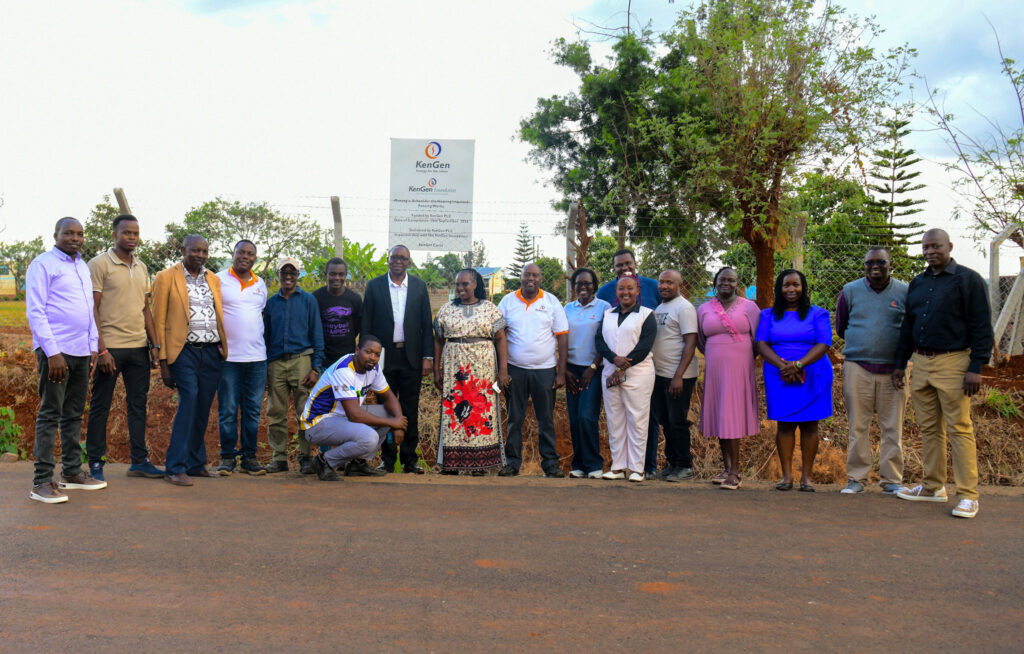
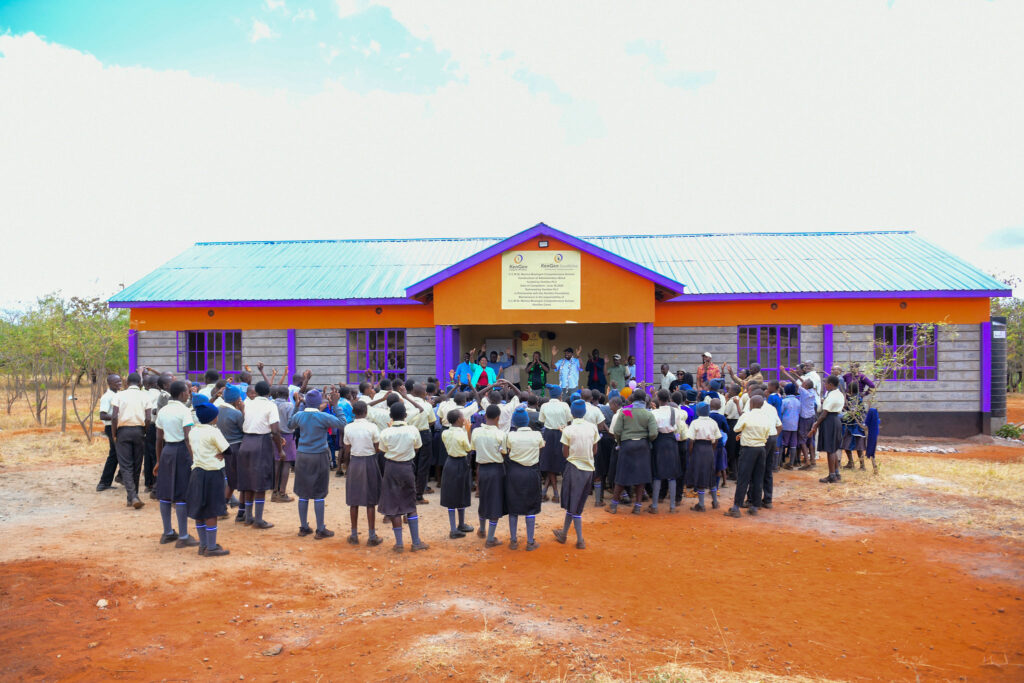
The KenGen Foundation commissioned five school infrastructure projects on 8 and 9 October 2026, reinforcing KenGen PLC’s commitment to improving learning environments, promoting environmental stewardship and advancing inclusive community development.
The projects, implemented in Embu, Machakos and Murang’a counties, included rehabilitated classrooms, an administration block, a science laboratory and a perimeter fence at a school serving learners with hearing impairment
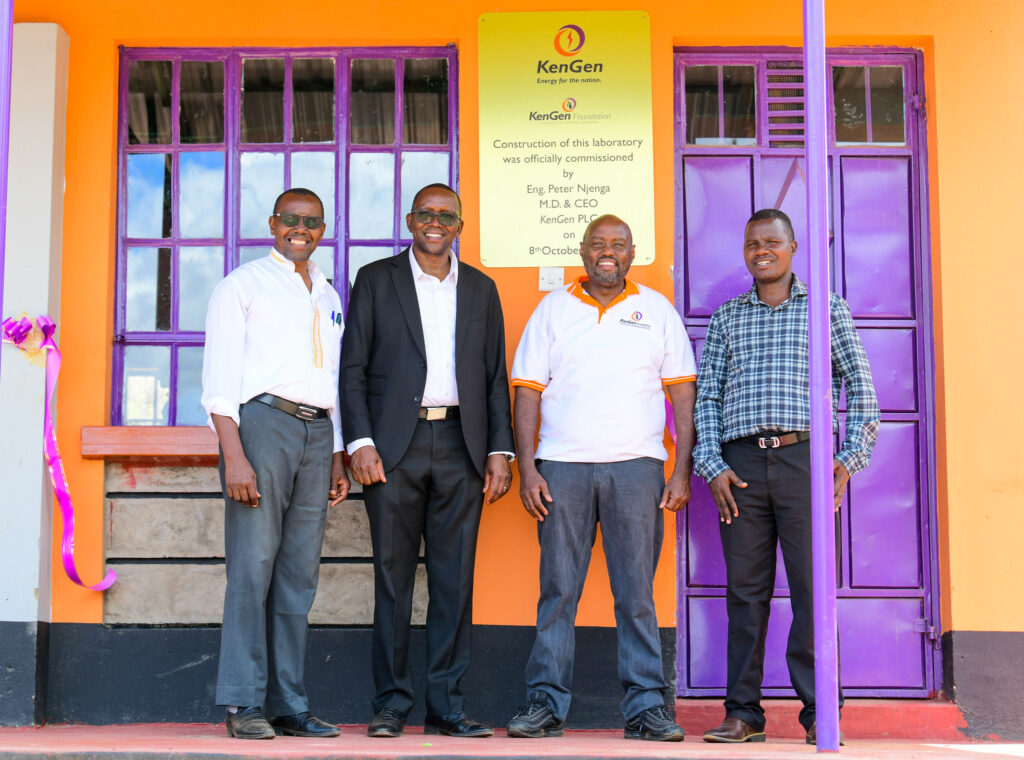
Representing KenGen Managing Director and CEO Eng. Peter Njenga during the commissioning was Eng. Harrison Keter, Power Generation Manager, Eastern Region. Anthony Igecha, Managing Trustee of the KenGen Foundation, also attended the exercise alongside staff from the KenGen Foundation and the Marketing and Corporate Communication Department. Speaking during the commissioning, Eng. Keter emphasised that KenGen’s contribution to national development extends beyond electricity generation to initiatives that create meaningful benefits for communities. “Through the KenGen Foundation, we invest in education, environmental conservation and community development. These projects demonstrate our commitment to creating opportunities for learners and supporting schools to provide better learning environments,” he said.
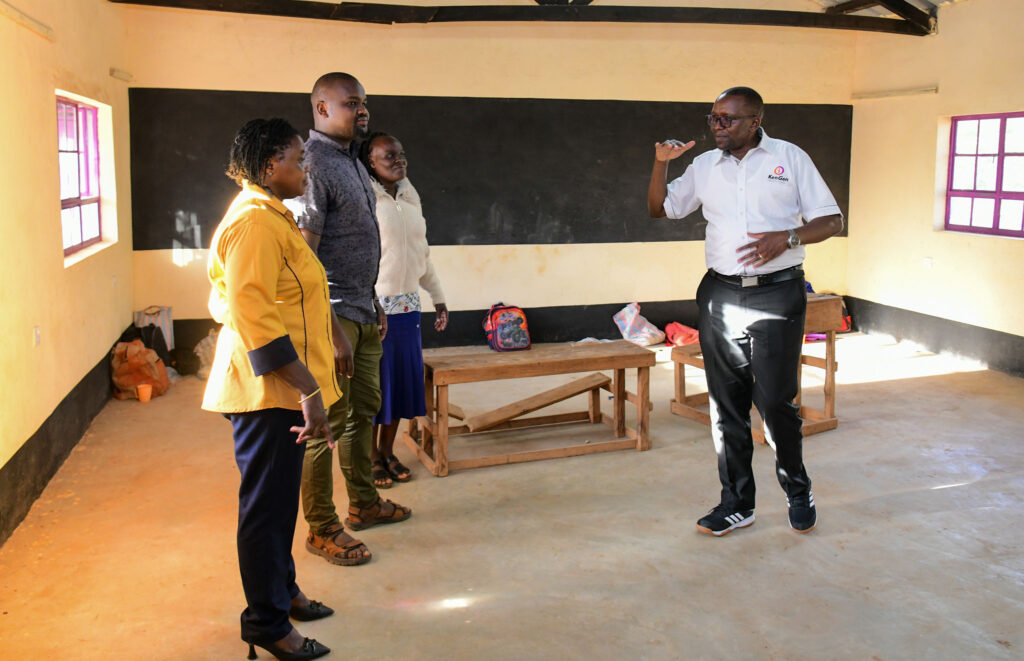
The commissioning covered the rehabilitation of classrooms at Kionyweni Primary School in Machakos County and Kamutu Primary School in Embu County; construction of an administration block at C.C.M. St. Monica Musingini Comprehensive School; construction of a science laboratory at DEB Karuari Secondary School; and installation of a chain-link perimeter fence at Murang’a School of the Hearing Impaired.
Several of the projects were delivered through the Foundation’s Green Initiative Challenge (GIC), a school-based programme that promotes tree growing and environmental conservation while recognising schools demonstrating environmental leadership. By linking conservation achievements with improvements to school infrastructure, the programme connects environmental responsibility with educational development. Anthony Igecha noted that the initiative demonstrates how sustainability programmes can generate benefits extending beyond environmental conservation. “The Green Initiative Challenge encourages schools to take an active role in protecting the environment. By recognising their efforts through investments in learning infrastructure, we reinforce the connection between environmental stewardship, education and sustainable community development,” he said.
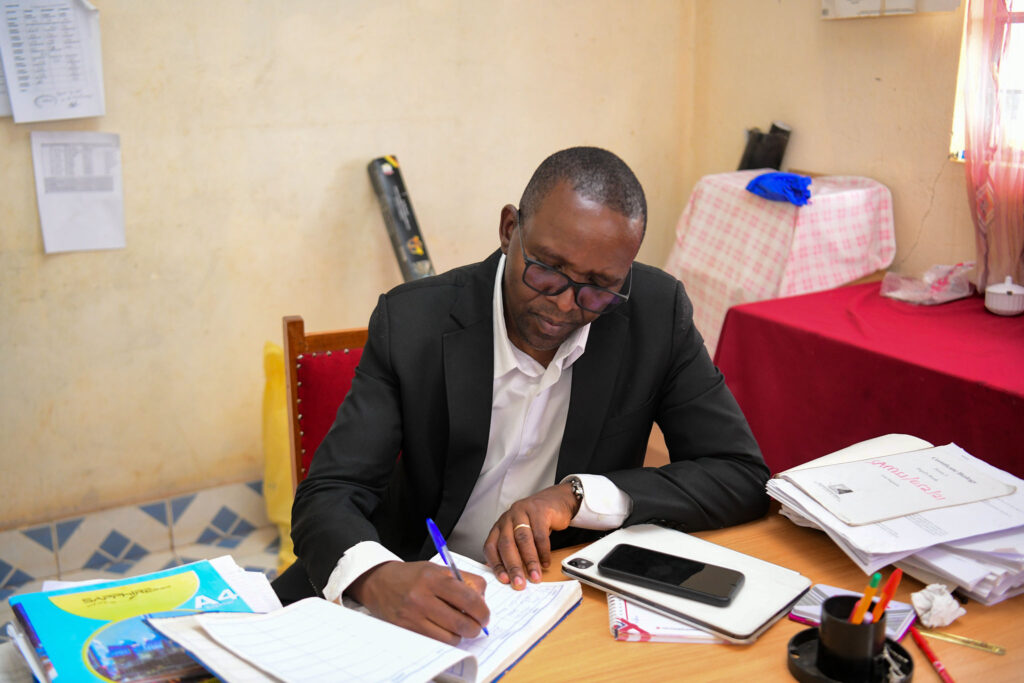
At Kamutu Primary School, classroom rehabilitation is expected to improve the learning environment for pupils. Benson Nguru, the school’s headteacher, welcomed the intervention, noting its significance to the school community. “This support will help us provide our learners with a better environment in which to study and develop their potential. We appreciate the KenGen Foundation for recognising our school and investing in our facilities. We are committed to maintaining the improved classrooms and continuing our environmental conservation efforts,” said Nguru.
At C.C.M. St. Monica Musingini Comprehensive School, the new administration block will strengthen the school’s administrative capacity by providing dedicated space for coordinating academic programmes and managing school activities. The school was the overall winner of GIC Phase VII. Ms. Anastacia Mutisya, a senior teacher at the school, said the facility would support more effective school management and create a better environment for teaching and learning. “The administration block is an important addition to our school. It will help us coordinate our activities more effectively and better support our learners. We are grateful to the KenGen Foundation for this investment and will continue nurturing the environmental responsibility that contributed to our achievement,” she said.
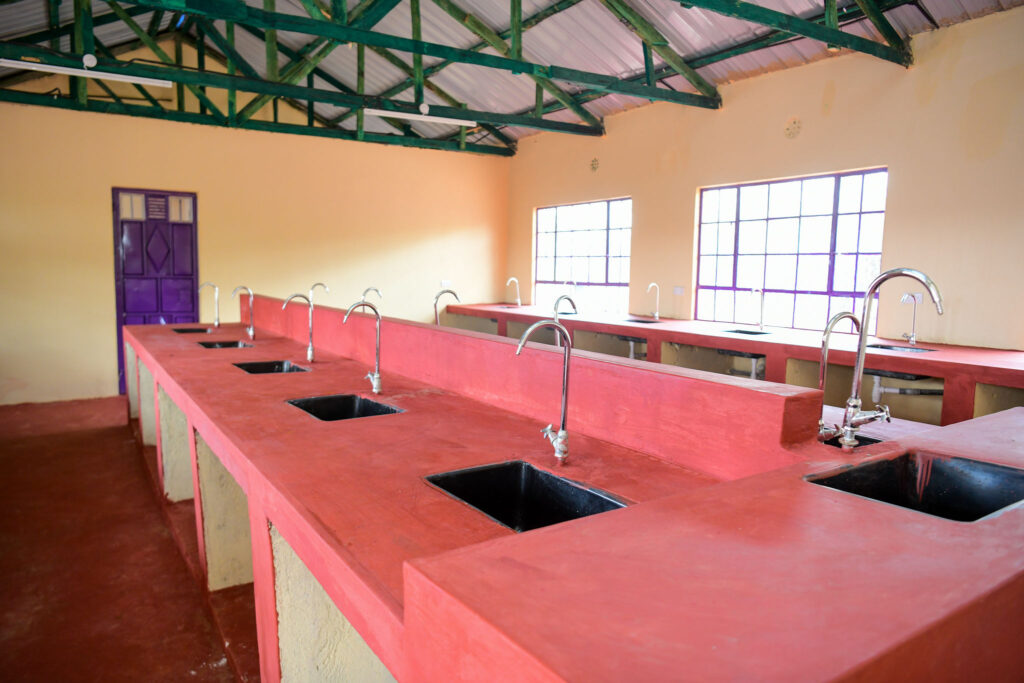
At DEB Karuari Secondary School, the new science laboratory represents an investment in practical learning and the development of scientific skills. The school emerged as the overall winner of GIC Phase VI. The facility will provide students with greater opportunities to conduct experiments, apply classroom concepts and develop skills relevant to science, technology, engineering and mathematics. The commissioning also highlighted KenGen employees’ role in community development through the Employee Giver Initiative (EGI), which supported the installation of a chain-link perimeter fence at Murang’a School of the Hearing Impaired. Serving approximately 350 learners with special needs, the school will benefit from enhanced security and protection of its property.
During the visit, the commissioning team shared a touching moment interacting with deaf learners, reinforcing the importance of inclusion, dignity and equal opportunities in education. The encounter brought a human dimension to the infrastructure investment, underscoring the need to ensure that learners with disabilities have safe and supportive environments in which to pursue their ambitions. Together, the five projects demonstrate the KenGen Foundation’s commitment to creating shared value through education, environmental conservation and employee participation. Their lasting impact will depend on how the beneficiary schools maintain the facilities and use them to strengthen learning outcomes. For KenGen, the investments reflect a broader sustainability vision: supporting communities not only through reliable energy, but also through initiatives that empower learners, strengthen institutions and help build a more inclusive future.